Khalas Vinyl Release: 20 years of an album that changed the history of Arabic metal/grunge
Why this Album Changed the Rules in 2004
In 2004, a group of musicians from Akka lit a fuse that's still burning two decades later: Khalas released Ma Adesh Feha, the first metal/grunge album sung in Arabic. And no, we're not talking about “the first” as trivia, we're talking about that kind of first that opens up territory where before there was only silence.
In a landscape with no consolidated scene, no resources, no close references, occupation and, above all, no instruction manual, the album achieved something that sounds impossible on paper: making Arabic melodies and 90s riffs dialogue organically, without either element sounding like an uncomfortable guest. Originally released on October 9, 2004, “Ma Adesh Feeha” (We've Had It) didn't just introduce a new sound, it carved out an entirely new genre, proving that metal and grunge could resonate powerfully in Arabic and inspiring countless bands across the region to follow in Khalas's footsteps.
At Levantine Music we understand the value of rescuing gems from the 2000s and returning them both to new generations and to the turntables that deserve them. This 20th anniversary edition isn't nostalgia for nostalgia's sake, it's our way of celebrating and preserving a chapter that marked a generation and that clearly remains relevant today.
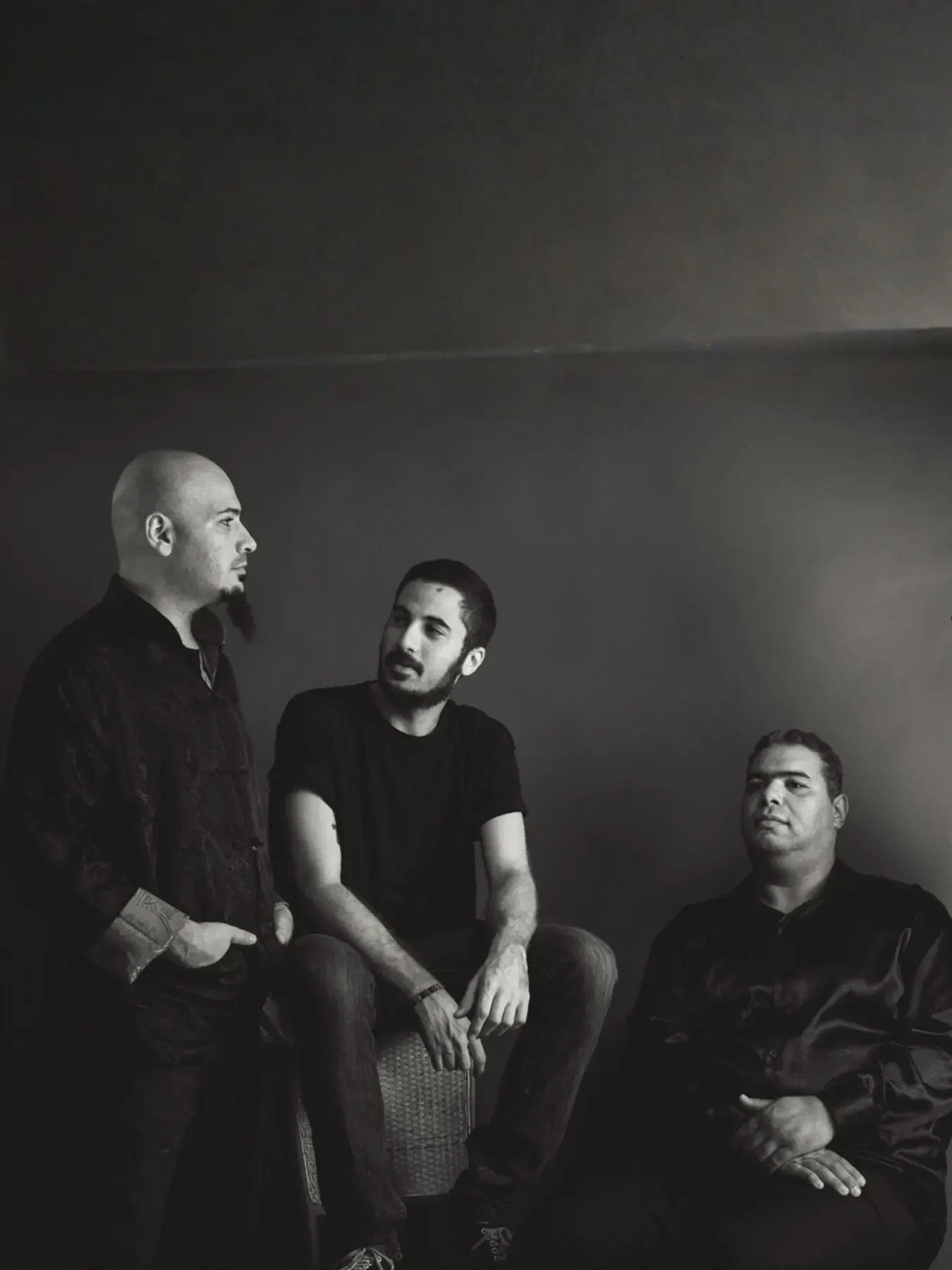
The Genesis of a Movement
What's fascinating is that this album didn't emerge from strategic calculation or a pre-existing scene. It emerged from something far more powerful: necessity. Khalas wanted to hear metal and grunge in Arabic and, since it didn't exist, they decided to create it themselves. That brutal honesty is what keeps the album resonating twenty years later.
“We always wanted to listen to metal and grunge in Arabic, but since we couldn't find any at the time, 'Ma Adesh Feeha' was the result,” explains founding member and guitarist Abed Hathout. “We created an album that we wanted to listen to.”
The album's powerful lyrics address social change, injustice, occupation, and visions of a better world. Themes that resonated deeply with youth throughout Palestine and the region. From its opening track, a metal reinterpretation of Um Kulthum's iconic "Enta Omri," to its crushing original compositions, Khalas demonstrated how Arabic heritage and heavy music could merge into something revolutionary.
Cultural Context: The Underground Awakening
“Ma Adesh Feeha” emerged during the beginning of Palestine's underground cultural awakening, particularly in Haifa, Akka, and Ramallah. At that time, Abu Nawas Street in Haifa was transforming into a hub for alternative music, hosting venues like El Backdoor, Fattoush Bar, and Makan, spaces where Khalas, DAM, Essem Moa'qat, MWR, and other pioneering bands performed regularly, building an alternative scene from the ground up.
While Khalas followed bands they admired like Al Shatea, Alwan, and Essem Moa'qat, they were the first to exclusively perform metal and grunge in Arabic, creating a template for a new generation of regional artists.
Critical Recognition and Lasting Impact
The year after the album's release, Khalas was interviewed by scholar Mark LeVine and featured prominently in his acclaimed 2008 book "Heavy Metal Islam," which examined how underground music was shaping youth culture and resistance movements across the Muslim world. The band was also featured in the 2009 documentary "Check-Point Rock" by Basque filmmaker Fermin Muguruza, expanding their international audience and bringing Palestinian alternative music to the global stage.
The album broke linguistic and cultural barriers, proving that metal could resonate in Arabic and projecting a message of social impact to international audiences. Khalas has performed extensively throughout Palestine and Europe, earning recognition from major outlets including The Guardian, CNN, BBC, and Rolling Stone. As one fan beautifully expressed:
"My mom and I both listen to Umm Kulthum. I listen to the Khalas version, and she listens to the original."
20th Anniversary Edition: What's Included?
Our purpose with this edition was clear from the start: to do sonic and physical justice to an album that deserves it. This isn't packaged nostalgia, it's about giving Ma Adesh Feha the treatment its historical importance demands. The vinyl includes:
Special red vinyl. A limited run of 300 copies for collectors and those who understand that some records deserve to occupy physical space in your life.
Remastered audio. We worked the sound with a precise objective: more punch in the guitars, more definition in vocals and bass, more impact in every drum hit, but without losing that raw character that made the album what it is. The energy from 2004 remains intact; now it simply sounds like the band always imagined it should sound.
Two bonus tracks. Among them, the germinal riff that shaped the track “Khalas”, an archival document turned into a song that lets you hear the exact moment when everything started taking shape. It's a living history in audio format.
Original artwork + additional material. We preserved the visual identity from that era because those elements are an inseparable part of the album, but we expanded it with details that contextualize and celebrate the legacy: expanded credits, editorial notes, and the kind of information that turns a vinyl into a complete cultural object.
The idea was never to “polish” the past until it became unrecognizable, but to amplify it: to make it sound exactly as the band imagined it when they were breaking molds two decades ago.
The Discipline Behind the Music
The album's powerful sound was forged through extraordinary discipline. Under the guidance (and, as band members recall, “threats”) of their fifth member and creative director Jozef Atrash, Khalas maintained a strict rehearsal schedule. “No matter what. Weddings, funerals, storms… We never missed a rehearsal,” Hathout remembers. “We treated each rehearsal as a concert, and it was during these sessions that the arrangements on this album were born.”
From those sessions, came the original “Khalas” riff. What's interesting is that this riff didn't just define a song: it defined the band's entire tone. And now, twenty years later, you can hear it for the first time within this edition's bonus tracks. It's a direct bridge to the exact moment when Khalas found its voice, or rather, forged it through volume and conviction.
Those early recordings have something that more polished productions sometimes lose: urgency. The feeling that this “needed” to exist, with or without the industry's blessing.
Why this Vinyl Matters
Twenty years later, Ma Adesh Feha remains relevant for a very simple reason: it was genuine from the first riff. It didn't calculate trends or seek approval, it existed because it needed to exist, and that authenticity is what crosses decades without aging.
This red vinyl edition (300 copies) doesn't pretend to be a museum piece. It's an invitation to experience the album as it deserves to be heard: with the definition and power that the 2025 remaster brings, plus those bonus tracks that document the exact moment when everything started taking shape.
For those who knew the album in 2004, this is the chance to rediscover it with the sonic fidelity it always deserved. For those arriving now, it's a gateway to understanding how history gets built when there's no instruction manual, just conviction, music, and something important to say.
