Reimagining Arabic Musical Tradition Through Personal Identity and Contemporary Expression.
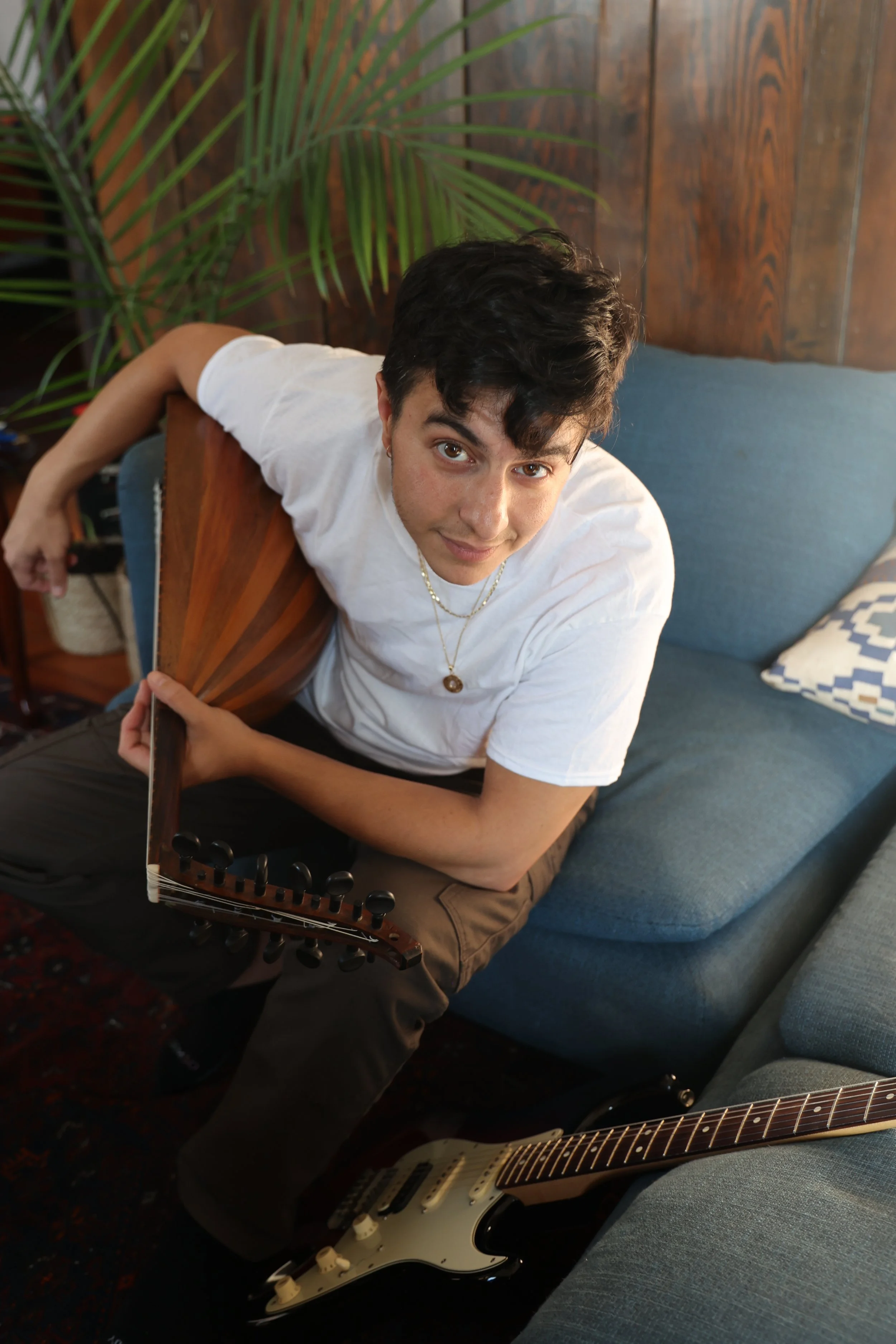
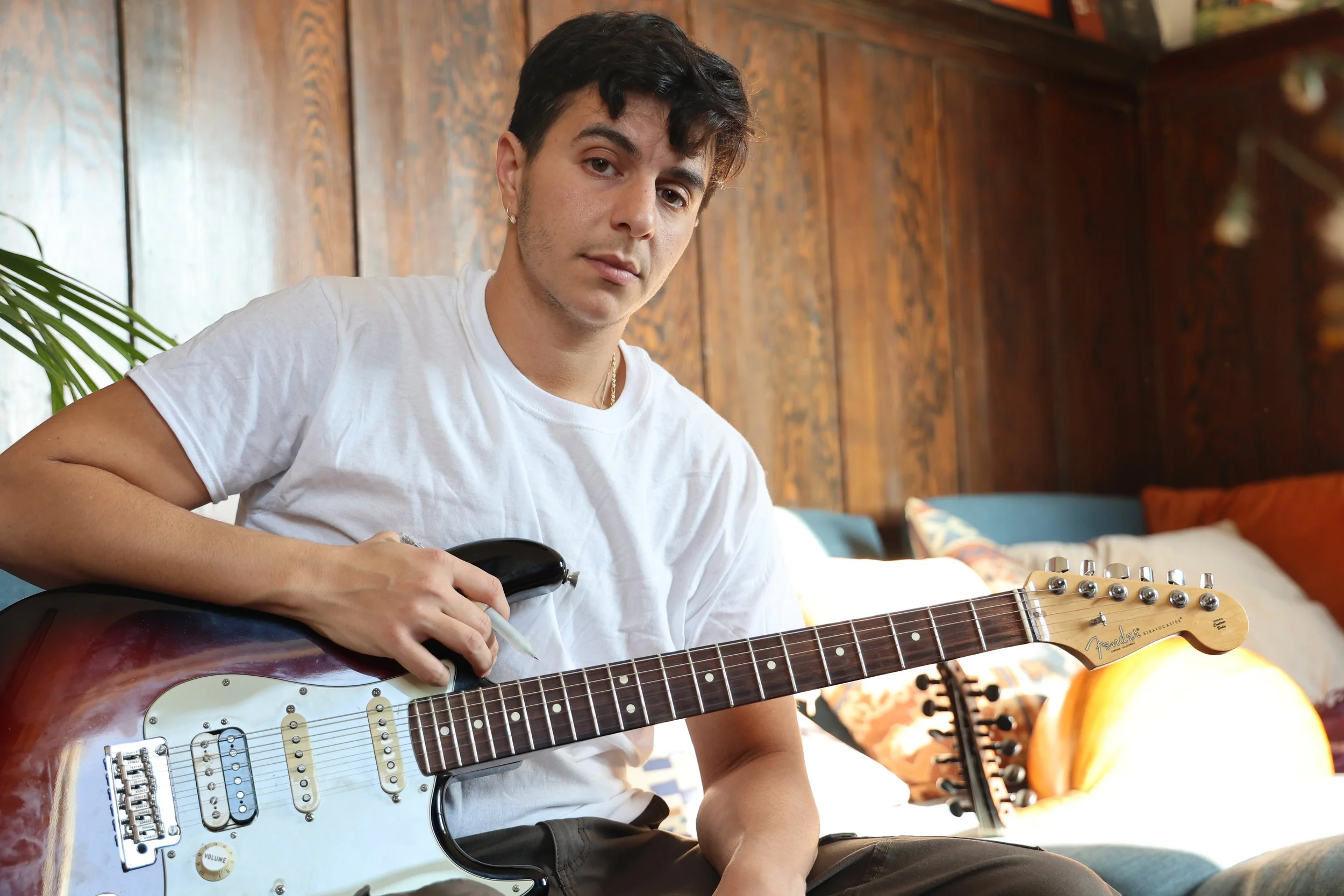
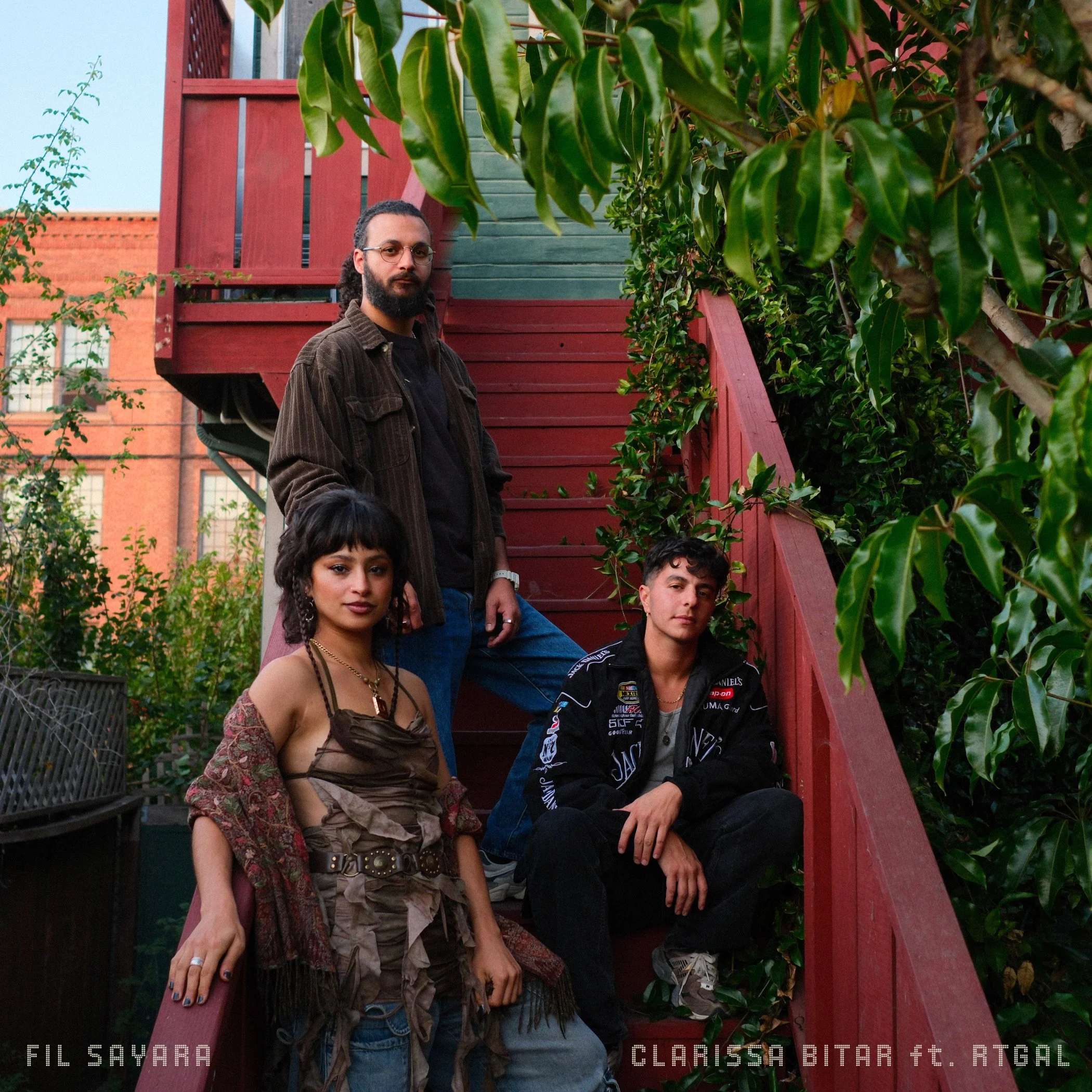
Clarissa Bitar is a Palestinian American oud musician and composer whose work is deeply connected to Arabic musical tradition, Palestinian heritage, and the experience of growing up in the diaspora. A childhood surrounded by Arabic music and family stories of Palestine formed the foundation for a lifelong relationship with music. Early mornings spent with grandparents, listening to Arabic music, sharing stories, and playing oud became an important part of developing a deep understanding of Arabic musical traditions and tarab.
Clarissa’s musical journey began with guitar before formal oud studies at UCSB led to a change in academic focus from biology to music, with an emphasis on ethnomusicology. Further study with master Arab musicians including Simon Shaheen, Charbel Rouhana, and Bassam Saba helped develop a practice grounded in the traditions of Arabic music while allowing space for contemporary experimentation.
A Musical Journey Rooted in Arabic Tradition
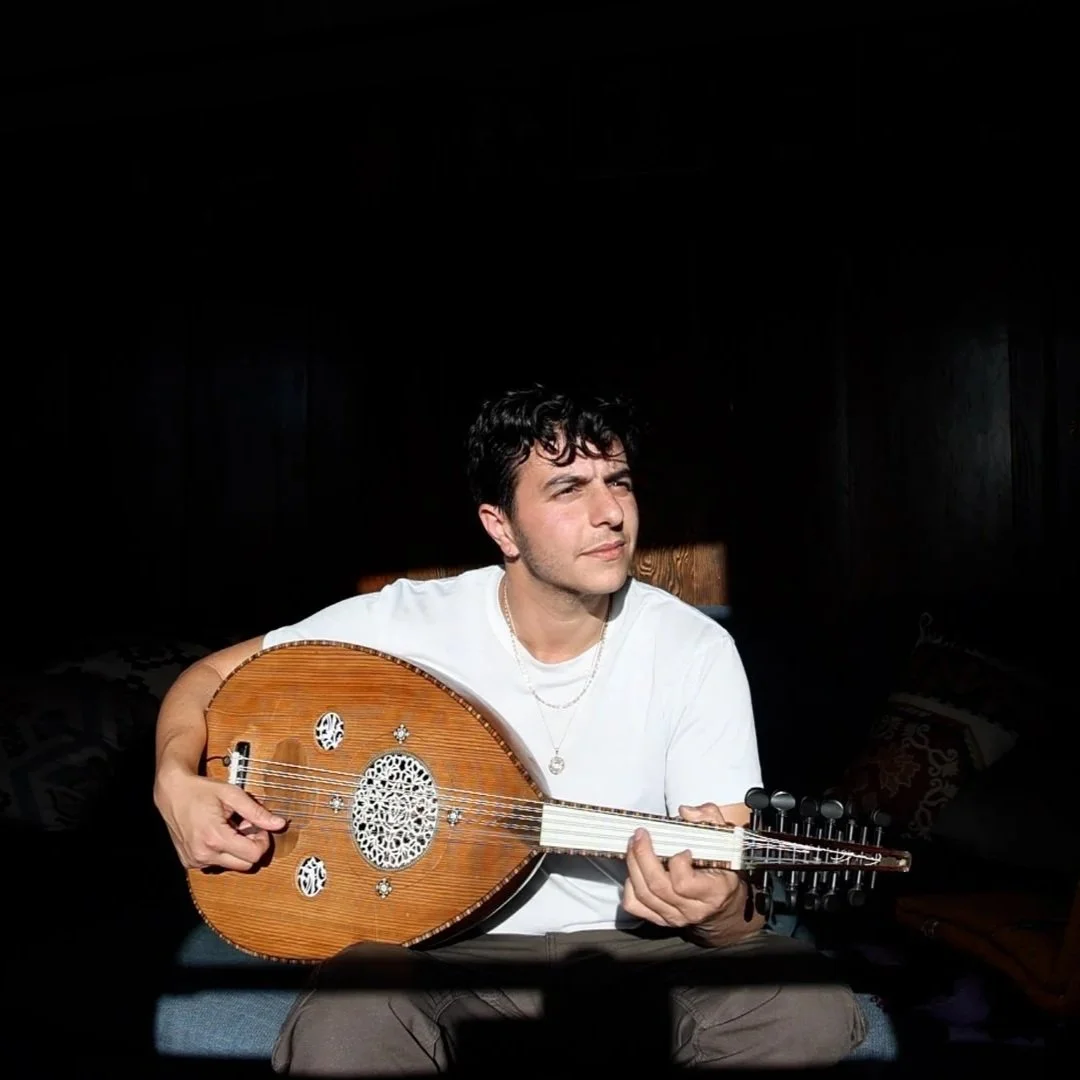
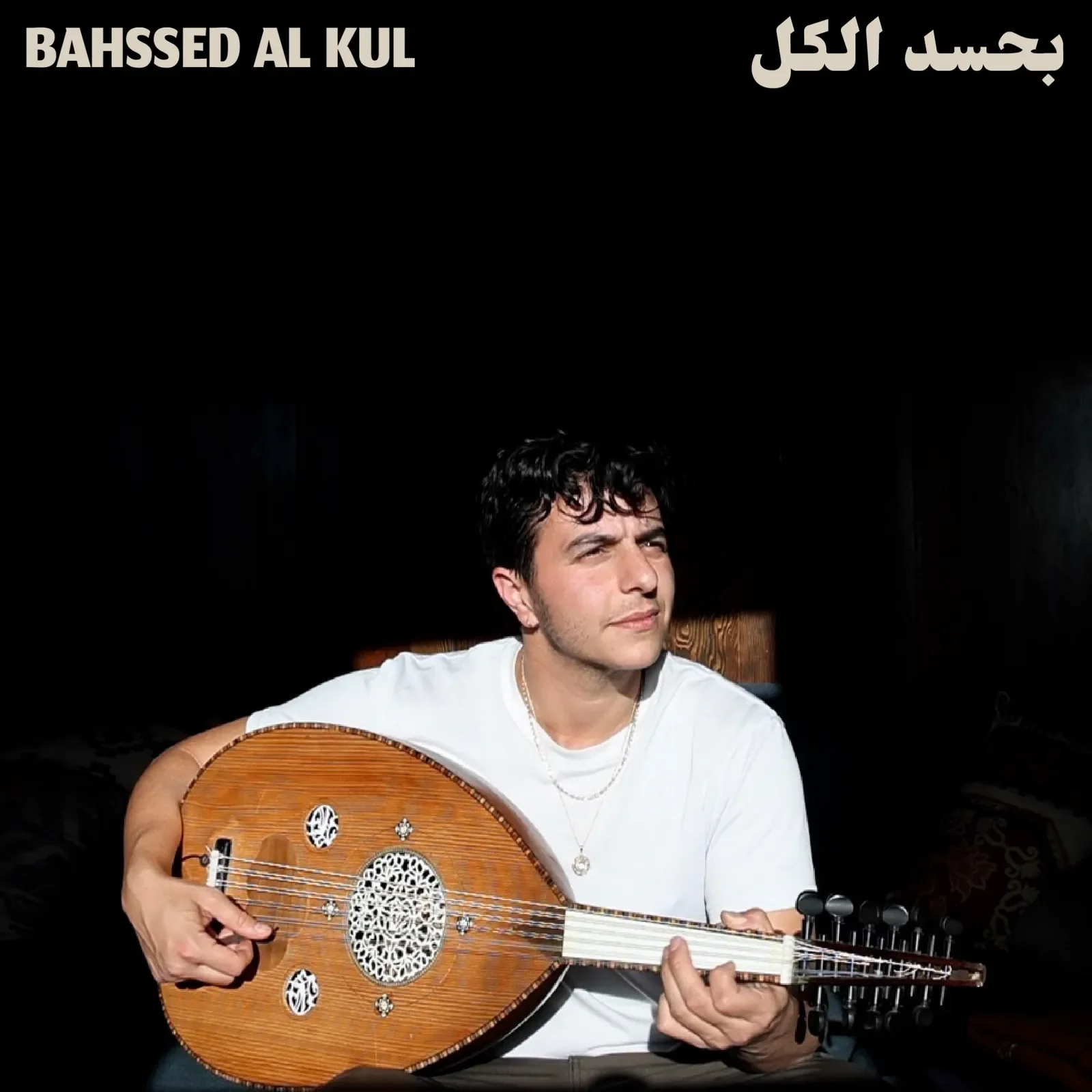
The oud remains central to Clarissa Bitar’s musical practice, alongside composition, vocals, guitar, bass, keys, and production. Early releases include Bellydancing On Wounds, created with poet and writer Mohammed El Kurd, followed by the solo EP Bayati and the instrumental album Hassan Sabi, a project dedicated to the Arabic tradition of tarab and oud.
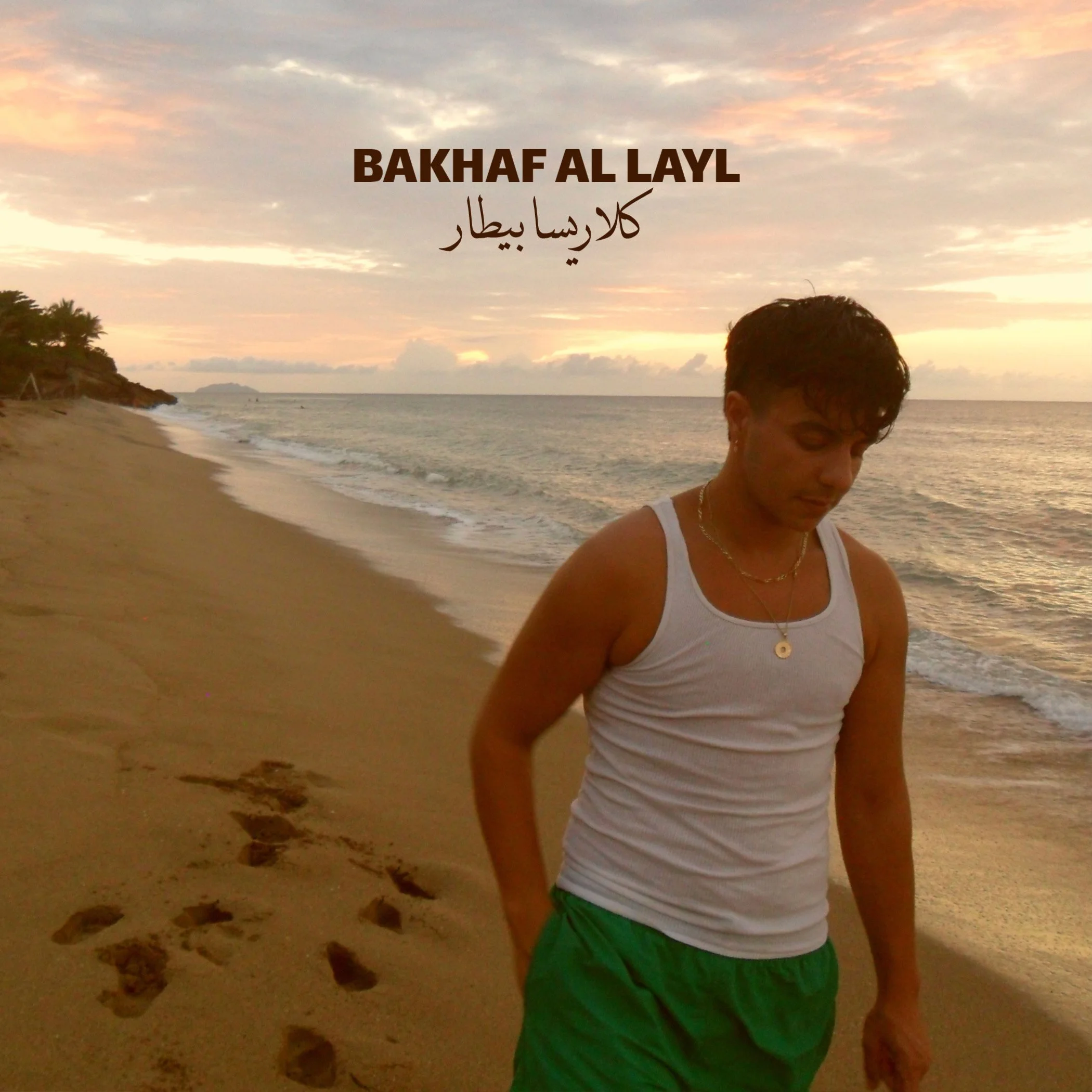
Over time, the musical language has expanded beyond instrumental performance. Contemporary production, songwriting, vocals, and genre experimentation now sit alongside the traditional foundations of Arabic music, creating new possibilities for the oud and for Palestinian musical expression.
Clarissa Bitar has also worked extensively as a session musician, recording oud across different genres for artists including Ali Gatie, Elyanna, and Laith Ross. Music has appeared in international exhibitions, films, radio, and television, including Netflix’s Mo.
Performance and education remain important parts of the practice, with work extending across the United States and into Palestinian and Arab diaspora communities. Multiple awards for performance at UC Santa Barbara and recognition as a Culture Bearer by the Center for Cultural Power further reflect a commitment to preserving and expanding Palestinian musical heritage.
Recent Releases
Get in touch